
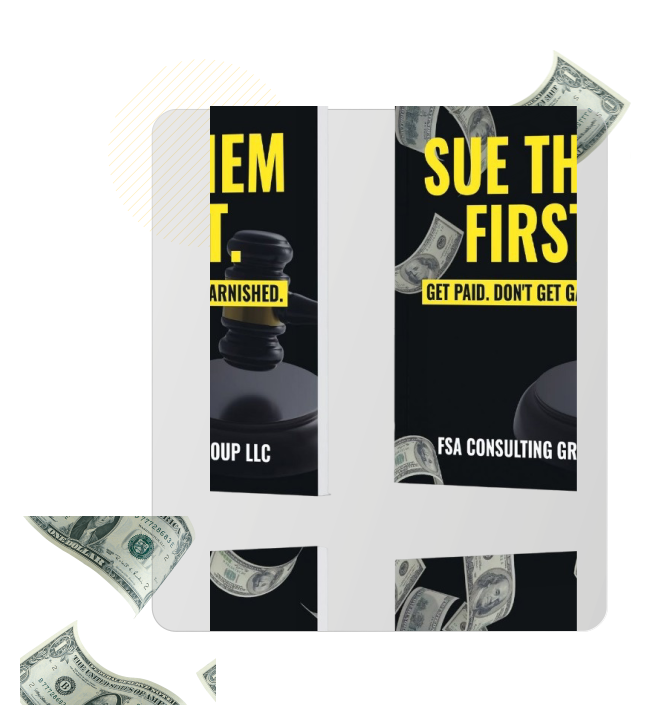
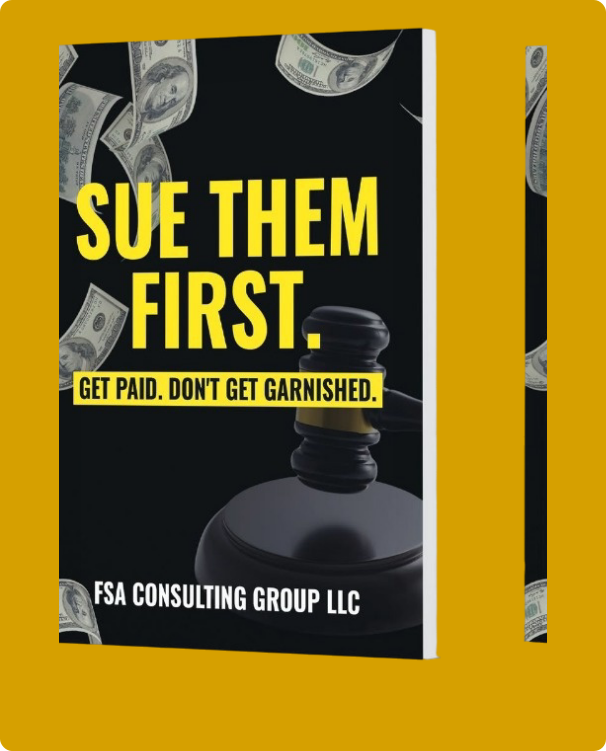
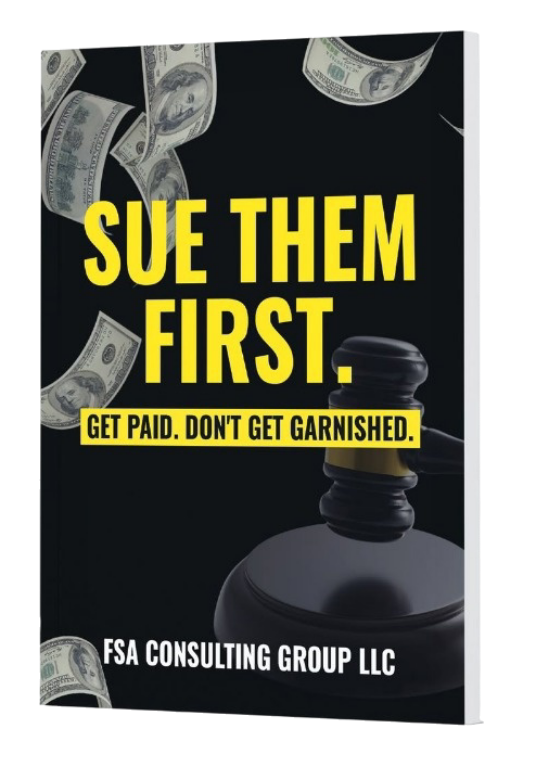
Sue Them First. Get Paid.
Don't Get Garnished.
The First-Strike Strategy that transforms debt collection harassment into leverage. Documented. Strategic. FDCPA-powered.

Debt Collectors Count on You Not
Knowing This
They use fear, confusion, and relentless pressure because most people don't know their rights under the
Fair Debt Collection Practices Act.

Relentless Calls
Harassing phone calls at all hours

Threatening Letters
Scary-looking collection notices

Aggressive Texts
Non-stop text message pressure

Credit Report Damage
Scores tanking without recourse


Scores tanking without recourse
A systematic approach that turns the tables. Stop reacting—start controlling the narrative.

Refusal to Pay
Send refusal to pay letter via certifed mail return receipt

Document Everything
Every call, letter, and text becomes potential evidence of violations.

Identify Violations
Most collectors violate the FDCPA. Learn exactly what to look for.

Prepare to Sue
Use violations to sue and collect damages

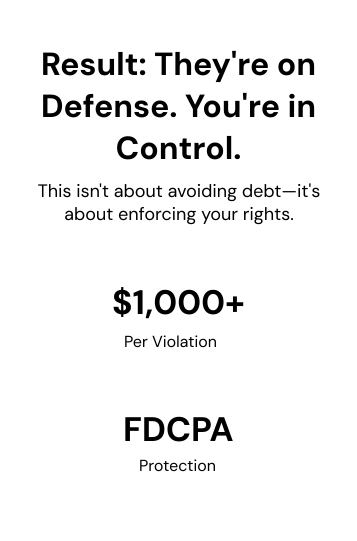
Your Complete Legal Playbook
Four comprehensive sections covering every aspect of the First-Strike strategy,
from initial response to final resolution.
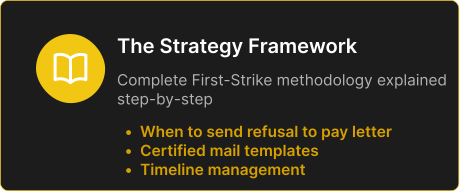
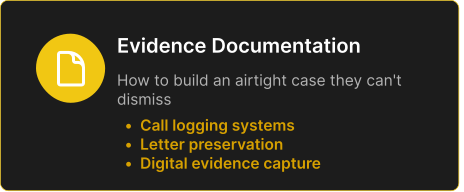
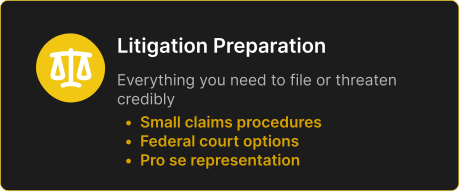
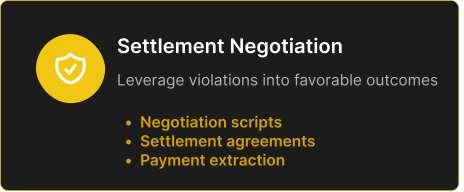


What’s Inside :
Your Rights & Their Violations
Refusal to Pay letter example
Building Your Evidence File
Filing Your Lawsuit
Settling & Getting Paid

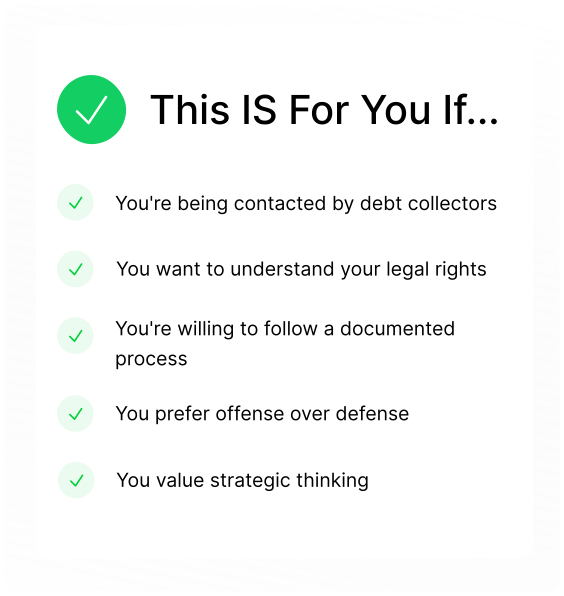
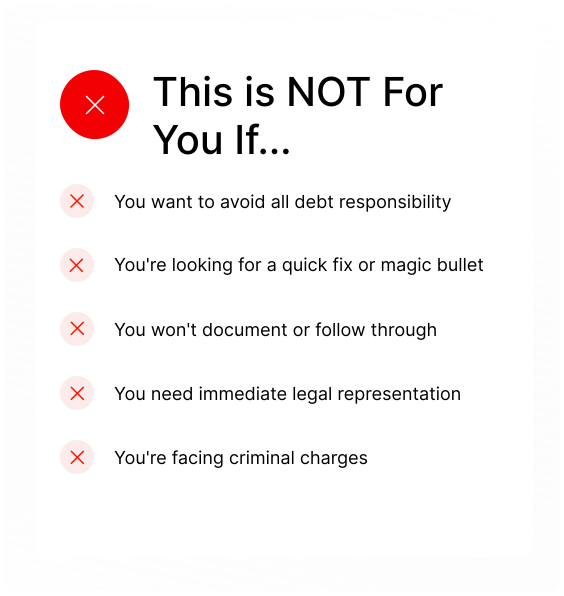
Is This Guide Right for You?
This guide is designed for specific situations. Here's how to know if it's a good fit.

Researched & Verified
Based on actual FDCPA case law and documented outcomes
Save Hundreds of Hours
Skip the learning curve with ready-to-use templates
Researched & Verified
Includes Refusal To pay
letter example
Client Success Stories
Real results from real people building real wealth

This guide finally made the FDCPA make sense
“I’d been ignoring collection letters for months because I didn’t know what to do. This ebook broke everything down step-by-step what to send, how to track it, and what to save. Once the collector kept contacting me after my refusal letter, I knew exactly how to respond instead of panicking. I finally feel in control instead of being bullied.”

Clear, simple, and empowering.
“I didn’t even realize continued contact after a refusal-to-pay letter could be a violation. The templates and examples in this guide showed me exactly how to document everything properly and keep a clean record. Even if you don’t go to court, just knowing your rights changes the whole tone with collectors.”

The evidence binder section was GOLD.
“I had no idea how important Certified Mail and logging communication was until I read this. The Evidence Binder checklist kept me organized and confident. When the collector contacted me again after receiving my refusal, I knew exactly what to do and for the first time, they were the ones on defense. This guide gave me clarity and courage.”

I followed the book exactly and before I knew it, I was filing a claim.
“I didn’t want theory. I needed a blueprint. I followed every step in this book identifying the collection, sending the refusal the right way, tracking delivery, and documenting every single contact after that. Before I even realized it, I had the proof I needed to file a claim against the collector. The stress finally lifted because I knew I had leverage. This process works if you follow it.”

Frequently Asked Questions
What exactly is this ebook?
This guide teaches consumers how to document debt-collector violations and use the Fair Debt Collection Practices Act (FDCPA) to take strategic legal action including filing in state court first when a collector continues contacting you after a written refusal to pay.
It is an educational resource, not legal advice. You are responsible for how you choose to use the information.
Who is this ebook designed for?
This ebook is designed for consumers who are being contacted by debt collectors and want to understand their rights under the Fair Debt Collection Practices Act (FDCPA). It’s ideal for people who feel harassed, overwhelmed, or unsure how to respond to collection efforts and want a structured, informed approach.
Will this ebook stop collection calls or delete my debt?
This ebook does not guarantee that collection calls will stop or that any debt will be deleted. Instead, it teaches you how to properly document violations and assert your legal rights. Outcomes depend on the actions of the debt collector and how the information is used.
Do I need a lawyer to use this guide?
No, a lawyer is not required to use this guide. The ebook is written in clear, easy to understand language so consumers can take informed steps on their own. However, you may choose to consult an attorney if your situation becomes more complex.
Does this work for original creditors?
The FDCPA primarily applies to third-party debt collectors, not original creditors. While some strategies may still be helpful, the protections discussed in this ebook are most effective when dealing with collection agencies.
What if the debt collector ignores my refusal to pay?
If a debt collector continues contacting you after receiving a written refusal notice, it may be a violation of federal law. This ebook explains how to document those violations and what steps you can take next.
Is this legal advice?
No. This ebook is an educational resource only and does not provide legal advice. You are responsible for how you choose to use the information provided.
Do you offer refunds?
Due to the digital nature of this product, all sales are final. Please review the ebook description carefully before purchasing.
Stop Reacting. Start Controlling.
Every day you wait is another day they have leverage over you. Get the strategy that puts you in the driver's seat.


Zero-Risk Clarity Guarantee
We want you confident before purchasing. If you’re unsure whether this guide fits your situation, email [email protected] with your question and we’ll help you determine whether it’s a match before you buy. No hype. No pressure. Just clarity.
Legal Disclaimer
This ebook is for educational and informational purposes only. It is not legal advice and does not create an attorney client relationship. Results depend on individual circumstances and jurisdiction. You are responsible for complying with all applicable laws and court rules. Consult a licensed attorney for legal advice.
Refund Policy
Due to the digital nature of this product, all sales are final.
Access is granted immediately upon purchase and cannot be revoked. If you have questions about the content or whether this resource is right for you, please email us prior to purchasing at [email protected].
Contact
FSA Consulting Group LLC
📧 [email protected]
📲 Instagram: @FSA_ConsultingGroup
© 2025 FSA Consulting Group . All Rights Reserved.